ChatGPT for Lawyers: What It Can and Cannot Do
ChatGPT is a genuinely useful tool for lawyers in specific, well-scoped tasks, and a genuinely risky one when treated as a substitute for legal research or judgment. Here’s a clear-eyed breakdown of what it can and can’t do.
What ChatGPT does well for lawyers
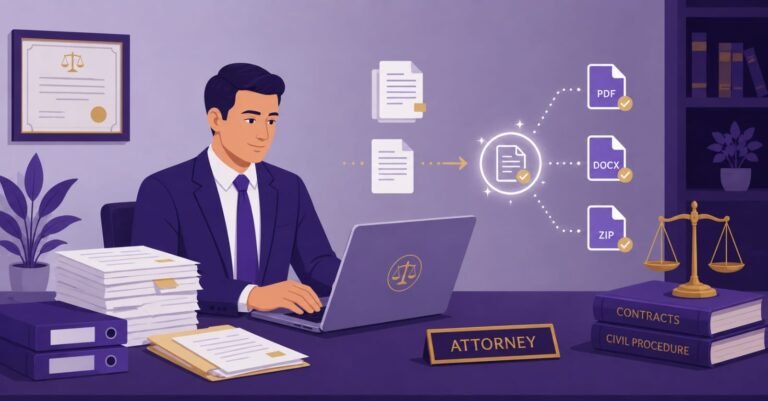
Drafting first-pass client communications, internal memos, and routine correspondence — it’s fast at producing a clean, professional-sounding first draft you then edit for accuracy and tone. Summarizing long documents (with the caveat that anything containing confidential client information needs a business-tier account with appropriate data handling, not the free consumer version). Brainstorming counterarguments or alternative theories on a legal question, functioning as a fast sounding board even though its substantive answer needs independent verification. Explaining unfamiliar areas of law at a conceptual level to orient yourself before doing real research — useful as a starting point, not an ending point.
What ChatGPT genuinely cannot be trusted for
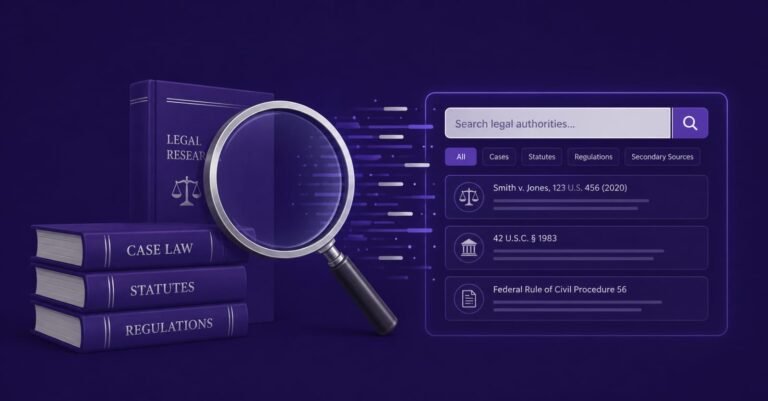
Case citations are the clearest, most consequential failure mode: ChatGPT can generate citations to cases that don’t exist, complete with plausible-sounding names, volume numbers, and even fabricated quoted language — a phenomenon commonly called hallucination. This isn’t a rare edge case; it’s a structural feature of how general language models work, since they generate statistically plausible text rather than retrieving verified facts from a database. Multiple attorneys have been sanctioned by courts for filing briefs containing ChatGPT-generated citations that turned out to be fabricated.
Confidentiality and privilege concerns
Inputting client information into the free, consumer version of ChatGPT raises real confidentiality concerns — OpenAI’s consumer terms have historically allowed use of conversation data to improve models unless you opt out, and even with data controls in place, sending privileged client information to a third-party service implicates your duty of confidentiality under the rules of professional conduct. Enterprise or API-tier accounts with proper data handling agreements are a meaningfully different risk profile than the free consumer product, and this distinction matters.
Bar association and ethics guidance
A growing number of state bar associations have issued formal guidance on AI use, generally converging on similar principles: AI-generated work product must be independently verified before use, client confidentiality obligations apply fully to any AI tool, and billing clients for time “saved” by AI without disclosure can raise its own ethical issues. Checking your specific state bar’s current guidance is worth doing directly, since this is an actively evolving area.
A Safe Workflow for Using ChatGPT in Legal Work
Use general-purpose chatbots for low-risk, non-confidential tasks, such as outlining a blog post, brainstorming questions for a client meeting, or explaining a concept in plain language. Strip names, facts, and identifying details before pasting anything, or use an enterprise plan with contractual data protections. Never rely on a chatbot for citations without pulling and reading the source yourself.
Why Fabricated Citations Happen
Language models generate text that sounds plausible, which can include case names and quotations that do not exist. Courts have sanctioned lawyers who filed briefs with invented citations, so independent verification in a trusted legal database is essential before anything is submitted.
Frequently Asked Questions
Is it ethical to use ChatGPT as a lawyer? Many bar authorities allow it if you protect confidentiality and verify the output.
Can I paste a client contract into it? Not unless the tool’s terms protect confidentiality and your client has consented where required.
Does it replace legal research tools? No. Verified legal databases remain the standard for authority.
This article is general information about technology and is not legal advice. Rules on AI use differ by state and jurisdiction, so check your own bar authority.
The realistic verdict
ChatGPT is a legitimate productivity tool for lawyers when confined to drafting assistance, brainstorming, and document summarization with confidentiality safeguards in place — and it should never be the final source of truth for a legal citation, a case holding, or a substantive legal conclusion that goes into a filing without independent verification. Used within those boundaries, it saves real time; used outside them, it’s created real, documented professional consequences for attorneys who didn’t respect the boundary.